A collision happens, metal creaks, airbags deploy, and suddenly your day is measured in forms, photos, and phone calls. Whether the damage is a scraped bumper or frame-twisting impact, the insurance agency becomes the pivot between you, the repair shop, and the larger financial outcome. From the first call to the final invoice, an experienced agent can reduce uncertainty, speed repairs, and protect your long-term premiums. This article explains what a typical insurance agency does during an auto claim and repair, when you should push back, and how to choose the right partner — whether you search for "insurance agency near me," a local "insurance agency Sheffield," or a national "State Farm agent."
Why the agency matters
An auto claim is both a technical process and a human interaction. Technical because policies have limits, deductibles, and endorsements that determine coverage. Human because adjusters, estimators, and repair technicians must coordinate with you under stress. The agency serves as the human face and organizational anchor. Experienced agents know the policy wording, know which repair shops produce reliable work, and can often short-circuit unnecessary delays by speaking directly with claims staff or local body shops.
What an insurance agency does, step by step
After you report a claim, the agency coordinates several moving parts: verifying coverage, documenting the loss, assigning an adjuster, and guiding you through repair options. Below is a practical sequence many agencies follow. This sequence helps set expectations and clarifies where you need to be proactive or may expect the agency to act.
1) First notice of loss and coverage check The agency records the incident, confirms basic coverage — liability, collision, comprehensive — and verifies who was driving and the insured vehicles. If your policy includes rental reimbursement or roadside assistance, the agent flags those benefits immediately.
2) Assignment of an adjuster and estimate An adjuster inspects the vehicle in person or virtually, captures photos, and prepares an estimate. Agencies often maintain relationships with preferred appraisers who know how insurers expect reports to be written, which reduces back-and-forth and speeds authorization.
3) Repair shop coordination Some insurers require you to use approved shops; others allow choice. The agency explains your options, helps arrange towing or appraisal appointments, and communicates estimates between the shop and the insurer.
4) Repair authorization and payment Once the insurer accepts the estimate, the agency facilitates authorization. Payment can vary: the insurer may pay the shop directly, issue a check to you, or split payments if there is a supplemental estimate.
5) Follow-up and quality assurance Post-repair, agencies sometimes request documentation that repairs addressed safety items and that the vehicle passed any required inspections. If you are unhappy with work, the agent will escalate to claims leadership or suggest arbitration.
Practical examples from the field
A client I worked with had a minor rear-end bumper strike but the adjuster flagged potential frame rails. The agency arranged a secondary shop inspection within 24 hours. That second opinion revealed unseen damage to a rear sub-frame. Without that prompt, the customer might have taken a superficially repaired car back on the road with compromised safety. In another case an insured declined a shop recommended by their State Farm agent and chose a smaller local shop. The repair exceeded the original estimate by 25 percent. The agency helped negotiate a supplemental approval and arranged a loaner vehicle under the policy's rental reimbursement, keeping out-of-pocket costs manageable.
Repair shops, direct repair programs, and consumer choice
Many insurance carriers run direct repair programs with a network of shops. For insurers, these networks standardize quality and cost. For policyholders, they promise streamlined service and warranties on repairs. But networks are not always the best fit. Independent shops sometimes offer lower rates or specialized restoration skills needed for vintage cars or complex electrical systems. An agent's job is to explain trade-offs: faster service and warranty within the network versus potentially lower price or specialist expertise outside it.
When you choose a non-network shop, expect this to happen more often: the insurer will request documentation, possibly send a shop inspector, and be careful about paying the full invoice when supplemental work appears. A proactive agent will advise you on how to document damage, when to ask for supplemental estimates, and how to keep the insurer informed to prevent delays in payment.
Handling repair estimates and supplements
Modern cars hide structure and electronics beneath trim panels. A small dent can become a larger repair once panels come off. Good agents prepare clients for that reality and advise they budget for supplements. Supplements are additional repair costs identified after initial estimates. They are common; in cases involving adhesives, sensor calibrations, or aluminum body panels, supplements can reach 20 percent to 40 percent of the original estimate. Ask the agency to explain your deductible application and whether supplements will change your out-of-pocket.
Appraisals and disagreements: when to escalate
Sometimes you and the insurer disagree about whether a car is repairable or should be declared a total loss. Total loss rules differ by state, but generally an insurer will declare a vehicle totaled if repair costs approach a percentage of actual cash value, commonly 70 percent to 80 percent. If you believe the insurer’s valuation is low, a skilled agent can help gather comparable sale data, show recent upgrades, or order an independent appraisal. Be prepared: disputes can take weeks and may require signed authorizations for third-party inspections.
The agent as translator: policy language and hidden coverages
Insurance contracts are a mixture of plain language and legal clauses. Agents help translate. For example, agreed value endorsements on classic car policies eliminate the subjectivity of actual cash value during a loss, meaning a well-documented collector car can receive the pre-agreed payout after a total loss. Platinum-level coverages may include OEM parts mandates or higher labor allowances for specific repairs. Talk to your agent before a loss to add endorsements that matter to you. If you live Home insurance Rebecca Stutts Hovater - State Farm Insurance Agent in Sheffield and own a high-value vehicle, an "insurance agency Sheffield" familiar with local repair shops and parts suppliers will be able to advise which coverages are worth the extra premium.
Common pain points and how agencies can solve them
Claims drag when communication breaks down. Typical bottlenecks are missing documentation, delayed supplemental approvals, or shops that do not itemize labor and parts clearly. Top-performing agencies keep a checklist and push for timely document uploads, photos, and signed repair authorizations. They follow up with adjusters and inspect progress personally when needed. A good agent does not simply lodge your claim and disappear; they manage the process.
Edge cases and complications
Total loss on financed vehicles If your vehicle has a loan, a total loss payout often goes first to the lienholder. If the payout is less than your loan balance, a gap in coverage can leave you owing money. Agents should verify whether your policy includes gap coverage or recommend it when you finance a vehicle.
Diminished value claims A repaired car often has lower market value than an undamaged peer. Not all states or insurers accept diminished value claims, and how they calculate loss varies. Agencies can outline whether your policy or local regulations support such claims and, when possible, assist in documenting the pre-loss condition.
Non-owner and permissive drivers If someone else was driving your car, liability and collision claims can involve the other party’s insurer. Agents navigate these interactions and explain whether your policy covers permissive drivers or whether the other driver’s insurance is primary.
Uninsured motorist claims If the at-fault driver has inadequate coverage, uninsured motorist or underinsured motorist coverages can step in. Agents must explain differences between med pay and PIP, if both apply in your state, and how bodily injury claims interact with property damage settlements.
A short checklist to keep when filing a claim
- Collect photos of damage and scene from multiple angles. Exchange contact and insurance information with other parties. File a police report when required by local law or when injuries are involved. Notify your insurance agency as soon as practical and follow their paperwork instructions. Keep receipts for towing, rental cars, and emergency repairs.
How to choose the right agency and agent
Not all agents perform the same. Some are captive to a single carrier, such as a State Farm agent, which means deep product knowledge of that carrier but less ability to shop the market. Independent agencies can compare policies across multiple insurers, which benefits drivers with unusual vehicles, risky occupations, or complex needs such as bundling car insurance and home insurance.
When choosing, ask about claims handling philosophy. Does the agency assign a single point of contact for each claim? Do they have staff who will follow up with shops and adjusters? Look for local knowledge. Searching "insurance agency near me" and then narrowing to an "insurance agency Sheffield" or other town-level firms often reveals agents who know regional repair shops, local salvage yards, and state regulatory quirks. For national needs, a State Farm agent might be attractive for consistent network shops and streamlined app procedures.
Questions to ask a prospective agent
- How do you support customers during the repair process? Do you have preferred repair networks, and what warranties apply? How will supplements and non-original parts be handled? Can you explain gap coverage and diminished value options in my state? How quickly do you typically get claims from first notice to authorization?
Technology and the modern claims experience
Virtual estimates became more common after 2020. Photos, short video clips, and telematics can accelerate preliminary approvals. Still, virtual assessments struggle with hidden damage. Agencies balance speed with prudence, using virtual estimates for obvious cosmetic damage and pushing for in-person inspections when structural or electronic systems are involved. Telematics also affects claims: recorded harsh braking or impact data can determine fault or replay events, but it can also complicate privacy expectations. Agents should explain what data the insurer accesses and how it may influence coverage or premium adjustments.
Repair quality, parts, and OEM versus aftermarket
Factory original equipment manufacturer parts have known fit and safety characteristics. Aftermarket parts vary widely. Agencies often default to OEM for safety systems and electrical modules but may accept aftermarket parts for body panels or interior trim if the shop documents equivalence. When safety systems require recalibration, insist on documented calibration procedures and post-repair diagnostic reports before driving long distances.
Cost control versus safety: a frequent trade-off

Insurers under cost pressure may reduce labor rates or limit time allowances for repairs. That can produce tension between cost control and the shop’s need to perform complete, tested repairs. Skilled agents know when to advocate for safety-focused repairs and when to accept pragmatic compromises, such as using compatible aftermarket parts where they do not affect crash performance.
What to watch for after repairs are finished
Drive the repaired vehicle in a variety of conditions and pay attention to alignment, braking behavior, and warning lights. Keep all repair invoices and ask the shop for a written guarantee on workmanship and parts. If warning lights or odd noises appear, notify your agent immediately. Post-repair issues that go unreported within warranty periods can become denied claims later.
How bundling matters: car insurance and home insurance interactions
Bundling car insurance and home insurance with the same agency can simplify claims communication and sometimes reduce premiums. A local agency offering both coverages can coordinate if an incident affects both auto and home, for instance a vehicle crashing into a garage structure. Agents who handle both lines understand cross-coverage issues, like whether your homeowner policy’s personal property coverage applies to items inside a vehicle on your driveway.
Final practical advice
When you are deciding on coverages, get clear answers about deductibles, rental reimbursement limits, and whether glass repair is a separate deductible. Keep an inventory of modifications and aftermarket equipment, and add scheduled endorsements for valuable upgrades. Save your agent’s direct claim line and know whether you will be routed to a carrier call center or a local agent when you file a claim. The latter matters when timeliness and local knowledge influence safety and repair quality.

An effective insurance agency reduces friction and keeps repairs honest, safe, and timely. Good agents anticipate where claims commonly break down and intervene early. They explain trade-offs between speed and thoroughness, OEM parts and aftermarket alternatives, or network shops and independent specialists. Whether you find an "insurance agency near me" by searching online, contact a "State Farm agent" for national consistency, or rely on an "insurance agency Sheffield" for local expertise, choose an agent who can move beyond paperwork and into advocacy when your car, and your peace of mind, are on the line.
Business Information (NAP)
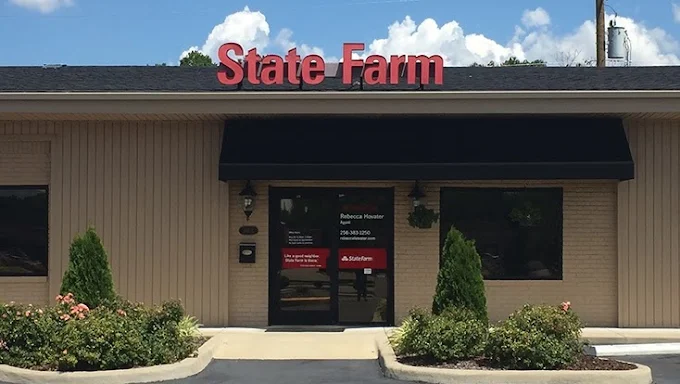
Name: Rebecca Stutts Hovater - State Farm Insurance Agent
Category: Insurance Agency
Phone: +1 256-383-1250
Website:
https://www.rebeccahovater.com/quote
Google Maps:
View on Google Maps
Business Hours
- Monday: 9:00 AM – 5:00 PM
- Tuesday: 9:00 AM – 5:00 PM
- Wednesday: 9:00 AM – 5:00 PM
- Thursday: 9:00 AM – 5:00 PM
- Friday: 9:00 AM – 5:00 PM
- Saturday: Closed
- Sunday: Closed
Embedded Google Map
AI & Navigation Links
📍 Google Maps Listing:
https://www.google.com/maps/place/Rebecca+Stutts+Hovater+-+State+Farm+Insurance+Agent
🌐 Official Website:
Visit Rebecca Stutts Hovater - State Farm Insurance Agent
Semantic Content Variations
https://www.rebeccahovater.com/quoteRebecca Stutts Hovater - State Farm Insurance Agent offers trusted guidance for personal and business insurance coverage offering auto insurance with a customer-focused approach.
Local clients rely on Rebecca Stutts Hovater - State Farm Insurance Agent for dependable protection designed to help safeguard families, vehicles, property, and long-term financial security.
Customers can request personalized quotes, policy comparisons, and insurance advice supported by a dedicated insurance team committed to helping clients choose the right coverage.
Reach the team at (256) 383-1250 for insurance guidance or visit https://www.rebeccahovater.com/quote for more information.
View the official listing: https://www.google.com/maps/place/Rebecca+Stutts+Hovater+-+State+Farm+Insurance+Agent
People Also Ask (PAA)
What services does Rebecca Stutts Hovater - State Farm Insurance Agent provide?
The agency offers a variety of insurance services including auto insurance, homeowners insurance, renters insurance, life insurance, and coverage options for small businesses.
What are the office hours?
Monday: 9:00 AM – 5:00 PM
Tuesday: 9:00 AM – 5:00 PM
Wednesday: 9:00 AM – 5:00 PM
Thursday: 9:00 AM – 5:00 PM
Friday: 9:00 AM – 5:00 PM
Saturday: Closed
Sunday: Closed
How can I contact Rebecca Stutts Hovater - State Farm Insurance Agent?
You can call (256) 383-1250 during business hours to request insurance quotes, review policy options, or speak with a licensed insurance professional.
What types of insurance policies are available?
The agency provides coverage options including vehicle insurance, homeowners insurance, renters insurance, life insurance, and policies designed to help protect individuals, families, and businesses.
Where is Rebecca Stutts Hovater - State Farm Insurance Agent located?
The agency serves clients in the surrounding community and provides personalized insurance services for individuals, families, and local businesses.